 Call Us : (917) 410-4001
How to Repurpose Your Book: From eBook to Audiobook, Print, and Even Screenplay Adaptations

Key Takeaways
- One finished manuscript can become many products, eBook, paperback, hardcover, audiobook, translations, serials, and more.
- Offering multiple formats lets readers choose how they read and multiplies your income from a single book.
- Audiobooks are one of the fastest-growing formats and reach readers who rarely sit down with print.
- Repurposing is about reach and revenue without writing anything new, you’ve already done the hardest part.
- A screenplay adaptation is possible, but it starts with a polished, well-reviewed published book.
There’s something special about finishing a book. After all the drafts and doubts, you have a complete manuscript, and most authors treat it as one thing: a book. But that manuscript is far more valuable than a single edition. It’s raw material that can become an eBook, a paperback, a hardcover, an audiobook, a translated edition, a serialized story, and, for a fortunate few, even the seed of a film or series.
Repurposing your book is one of the smartest moves an author can make, because the hardest work is already done. You wrote it. Now let’s look at all the ways one story can reach more readers and earn from more places, without you writing a single new chapter.
1. The eBook: Your Fast, Far-Reaching Foundation
The eBook is usually the easiest and cheapest format to produce, and it’s where discovery often begins. It can be priced flexibly, updated instantly, and sold worldwide the moment it’s live. For most authors it’s the natural first release and the engine of online visibility. Done well, your eBook publishing (including Kindle Direct Publishing) becomes the hub the other formats orbit around.
2. Print Editions: Paperback & Hardcover
Plenty of readers still love the feel of a physical book, and print unlocks things digital can’t: bookstore and library copies, signed editions, gifts, and that unmistakable professional credibility of a printed spine. With print-on-demand, you can offer paperbacks and even premium hardcovers without holding inventory.
Print does require its own care: a proper wraparound cover (front, spine, back) and a typeset interior. That’s where professional book printing, cover design, and formatting make your book look like it belongs on a shelf.
3. Audiobooks: The Fastest-Growing Format
Audiobooks have exploded in popularity, reaching readers who listen while commuting, exercising, or cooking, people who might never sit down with a print book. Turning your book into audio opens an entirely new audience and revenue stream.
You have a few production paths:
- Hire a professional narrator for a polished, performance-quality listen.
- Narrate it yourself if your book benefits from the author’s own voice (common in memoir and nonfiction).
- Use high-quality AI narration as a faster, budget-friendly option.
Whichever you choose, sound quality matters as much as story, listeners judge audiobooks on clean editing, consistent pacing, and proper mastering. Professional audiobook publishing ensures your audio edition sounds as good as your writing reads.
Not sure which formats are worth it for your book?
We’ll look at your book, genre, and goals and recommend exactly which formats will reach the most readers for your budget. Book a free, no-pressure consultation.
Plan My Formats Free4. Translations & International Editions
Your story doesn’t have to stop at one language. Translating your book into other languages opens entire international markets, often with far less competition than English-language stores. While quality translation is an investment, it can dramatically expand your readership and give a book a second life in regions where your genre is hungry for new titles.
5. Serialization & Bite-Sized Editions
Some stories work beautifully when broken into smaller pieces. You can serialize a novel chapter by chapter on reading platforms or in a newsletter, release a long nonfiction book as a series of shorter guides, or publish a “starter” novella to hook readers into a larger series. Serialization builds anticipation and gives readers an easy, low-cost way to discover you.
6. Companion & Spin-Off Products
Especially for nonfiction, one book can seed a whole ecosystem of related products:
- Workbooks and journals that turn your ideas into action.
- Online courses or workshops built on your book’s framework.
- Special or collector’s editions with bonus content for superfans.
- Box sets and bundles that package a series at an attractive price.
Each one deepens your relationship with readers and reinforces your author brand.
7. Screen Adaptations: From Page to Screen
It’s the dream many authors quietly hold: seeing their book become a film or series. It’s competitive, but far from impossible, plenty of screen hits began as self-published books. The path always starts the same way: a polished, professionally published book with a growing readership and strong reviews that signal real demand.
From there, authors prepare adaptation-friendly materials (a clear logline, synopsis, and sometimes a treatment), protect their rights, and pitch to agents, producers, or adaptation marketplaces. The book is the proof of concept, which is exactly why investing in quality publishing and marketing first matters so much.
Why Repurposing Is So Worth It
Releasing across formats isn’t just extra work for its own sake, it pays off in three clear ways:
- More reach. Different readers prefer different formats; meeting them where they are multiplies your audience.
- More revenue. Each format is a new income stream from work you’ve already done.
- More resilience. A multi-format catalogue keeps selling across platforms, trends, and reader habits.
How Prime Publishing Hub Helps You Repurpose Your Book
Producing one book across many formats means juggling different files, specs, and skill sets. At Prime Publishing Hub, we handle them together so your story stays consistent everywhere it appears:
- eBook publishing and Kindle Direct Publishing for your digital foundation.
- Print and book printing for paperback and hardcover editions.
- Audiobook production that sounds as polished as your writing.
- Cover design, formatting, and marketing tuned for each format.
Final Thoughts
You already did the hard part: you finished the book. Repurposing simply lets that single achievement work harder, reaching readers who prefer to listen, to hold a paperback, to read in another language, or to discover you one chapter at a time. One manuscript, many doorways in.
Wondering which formats are right for your book? Request a free quote and we’ll help you turn one story into many.
Frequently Asked Questions
What does it mean to repurpose a book?
Should I release my book as an eBook, print, and audiobook?
How do I turn my book into an audiobook?
Can a self-published book be adapted into a screenplay?
How can Prime Publishing Hub help me repurpose my book?
Keep Reading
What Makes a Book Cover Sell? Genre-by-Genre Design Rules
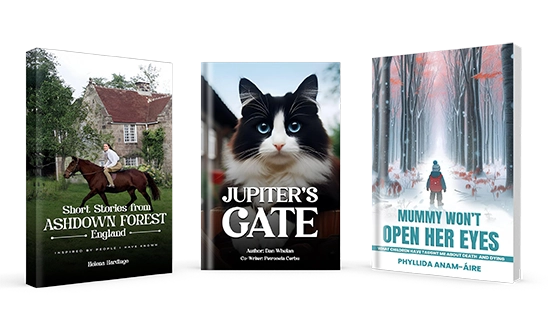
Readers judge your book by its cover in about a second, as a thumbnail. Here’s what makes a cover sell, genre by genre, and how to design one that earns the click.
Before & After: How Cover Redesigns Improved Book Sales
Sometimes a good book just won’t sell, and the cover, not the writing, is the problem. Here’s how cover redesigns lift sales, with a before-and-after breakdown and an A/B testing guide.
How to Make Your Book Shine on Amazon: A Simple Guide for New Authors
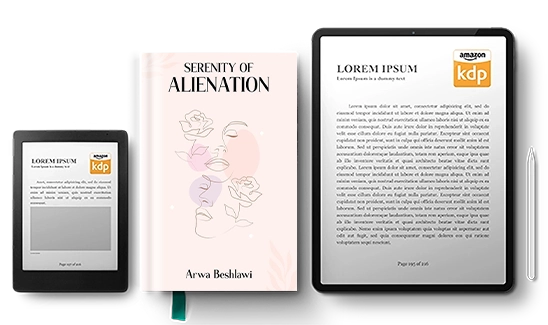
Publishing on Amazon is easy; getting noticed isn't. This simple guide shows new authors how to optimize keywords, categories, cover, blurb, and reviews so your book stands out.