
 Call Us : (917) 410-4001
Top 5 Mistakes New Indie Authors Make (And How to Avoid Them)
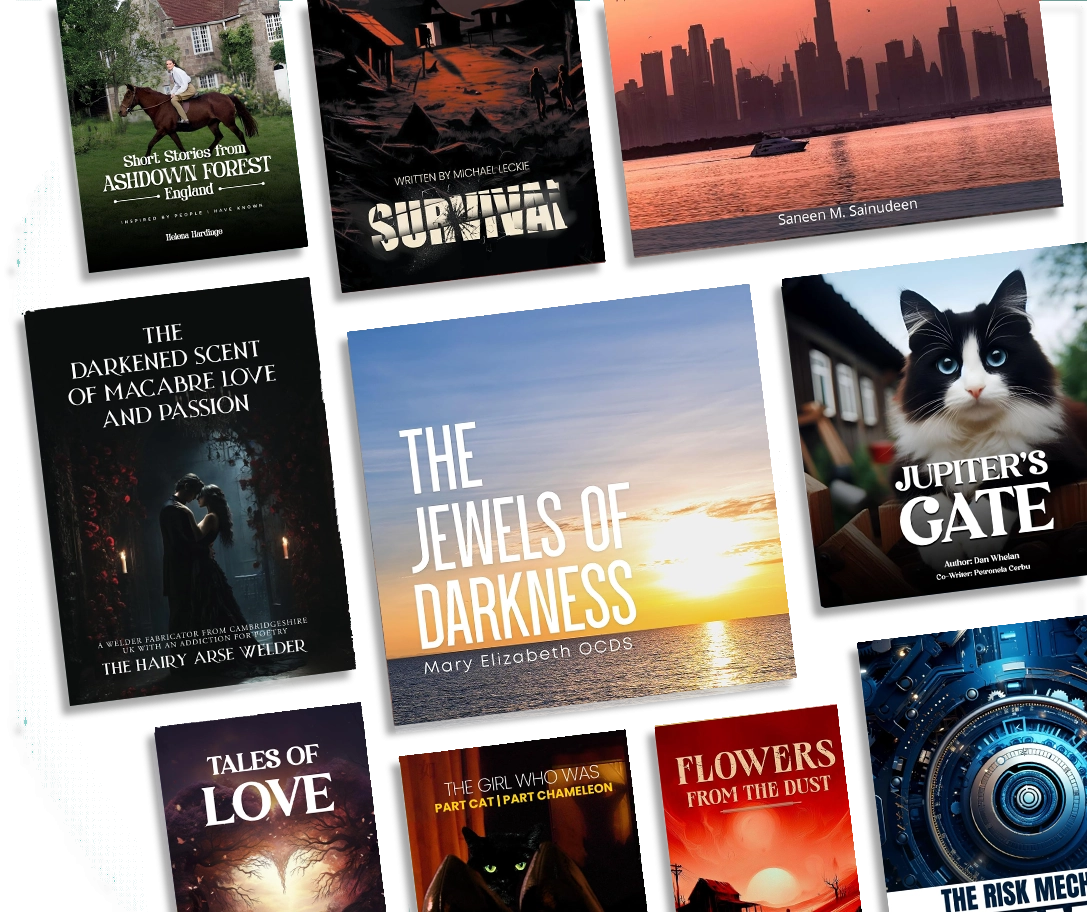
Key Takeaways
- Skipping professional editing is the costliest mistake, readers notice errors instantly and reviews are unforgiving.
- A do-it-yourself cover quietly tells readers your book isn’t worth their time; a genre-fit cover does the opposite.
- Poor interior formatting makes a good book feel cheap on both e-readers and in print.
- Most indie authors start marketing too late, the real work begins months before launch day.
- Treating publishing as a one-click event instead of a strategy is what keeps great books invisible.
If you’ve ever tried to publish your first book, you already know the feeling: equal parts excitement and overwhelm. Self-publishing has never been more accessible, anyone can upload a manuscript and hit “publish” in an afternoon. But that same ease is exactly why so many promising books quietly disappear. The difference between a book that finds readers and one that doesn’t usually isn’t talent. It’s a handful of avoidable mistakes.
The good news? Every one of them is fixable, most of them before you ever publish. Below are the five mistakes we see new indie authors make most often at Prime Publishing Hub, and a clear, practical fix for each. Get these right and you’ll already be ahead of the vast majority of self-published titles.
Mistake #1: Skipping Professional Editing
This is the big one. After months (or years) of writing, it’s tempting to believe your manuscript is “clean enough.” You’ve read it a dozen times, run a spellchecker, maybe had a friend look it over. Unfortunately, you are the worst possible proofreader of your own work, your brain fills in gaps and glides over errors it already expects to see.
Readers are not so forgiving. Typos, inconsistent tenses, plot holes, and clunky sentences pull them out of the story and straight to the review box. A handful of early one- and two-star reviews mentioning “needs editing” can stall a book’s momentum permanently, because new readers trust those reviews more than your blurb.
The Fix
Budget for professional editing and proofreading the same way you budget for the book itself, it’s not optional polish, it’s the foundation of a credible book. At minimum, get a copyedit and a final proofread from someone who has never seen your manuscript before. It’s the highest-return investment you’ll make.
Mistake #2: A Do-It-Yourself or Generic Cover
“Don’t judge a book by its cover” is lovely advice that absolutely no one follows. Your cover is the first, and often only, impression a browsing reader gets. In a thumbnail-sized image on Amazon, it has about two seconds to communicate genre, tone, and quality. A cover built in a free design app, or a stock template a hundred other authors are also using, quietly signals “amateur” before a single word is read.
Genre matters enormously here. A literary romance, a hard sci-fi thriller, and a children’s picture book follow completely different visual conventions, and readers use those cues to decide whether a book is “for them.” A mismatched cover doesn’t just look unprofessional, it attracts the wrong readers and repels the right ones.
The Fix
Invest in professional book cover design created by someone who understands your genre and how covers perform as tiny thumbnails. Look at the current bestsellers in your category and make sure your cover belongs on the same shelf, while still standing out. This is also where a consistent look pays off long-term, which ties directly into building your author brand.
Worried your manuscript or cover isn’t launch-ready?
Our editors and designers can review where your book stands and tell you honestly what it needs before you publish. Book a free, no-pressure consultation.
Get a Free ConsultationMistake #3: Neglecting Interior Formatting
Many new authors pour effort into the cover and forget that the inside of the book is where readers actually spend their time. Cramped margins, inconsistent chapter headings, odd line spacing, fonts that don’t belong in a book, and e-books that break on different devices, these all make even excellent writing feel cheap and self-made.
Formatting problems are especially common because print and e-book require different treatments. A layout that looks fine in your word processor can fall apart once it’s a reflowable e-book or a fixed print PDF. Readers may not be able to name what’s wrong, but they feel it, and it undermines the trust your cover and writing worked to earn.
The Fix
Use professional book formatting and layout design for both your print and digital editions. Proper typesetting, consistent styling, and device-tested e-books make your book feel like it came from a “real” publisher, because, done right, it did.
Mistake #4: No Marketing Plan (or Starting Far Too Late)
Here’s the hard truth: publishing your book is the middle of the journey, not the end. Far too many authors hit “publish,” announce it once on social media, and then wait for sales that never come. Without a plan, a book launches into silence, not because it’s bad, but because no one knows it exists.
The other version of this mistake is timing. Authors who start thinking about marketing on launch day have already missed the most valuable window. The authors who sell well spend the months before publication building anticipation: growing an email list, sharing their writing journey, and connecting with readers in their genre.
- Build an email list early. It’s the one audience you own and can reach on launch day, no algorithm in between.
- Show up before you sell. Share your process, your themes, and your story so readers feel invested before the book is even out.
- Plan the launch as a campaign, not a single post, reviews, a clear launch week, and a reason for readers to act now.
The Fix
Treat marketing as part of the publishing process from the very beginning. A focused book marketing plan, paired with a consistent author brand, turns launch day from a hopeful guess into a planned event with an audience waiting.
Mistake #5: Treating Publishing as One Click Instead of a Strategy
The final mistake ties the others together: rushing. The ability to publish instantly tempts authors to skip the deliberate steps that make a book succeed, proper editing, a strategic cover, clean formatting, a chosen category and keywords, a real launch plan. Publishing fast feels productive, but a book only gets one first impression, and a rushed launch spends it carelessly.
Self-publishing isn’t a single moment, it’s a sequence of professional decisions, each of which compounds. Authors who slow down just enough to get the fundamentals right almost always outperform those who race to the finish line.
The Fix
Give your book a realistic timeline and a checklist: finished manuscript, then editing, cover, formatting, metadata and categories, pre-launch marketing, and finally launch. If managing all of that alone feels daunting, that’s exactly what a publishing partner is for.
How Prime Publishing Hub Helps You Avoid All Five
Every mistake on this list comes down to the same root cause: trying to be your own editor, designer, typesetter, and marketing team all at once. At Prime Publishing Hub, we bring those specialists together under one roof so nothing slips through the cracks:
- Professional editing and proofreading so your manuscript reads like the best in your genre.
- Genre-savvy cover design and formatting that make your book look professional inside and out.
- Book marketing and author branding that build an audience before launch, not after.
- A guided process so publishing becomes a clear strategy, not an overwhelming guess. See how we work.
Final Thoughts
Becoming a published author is one of the most rewarding things you can do, and avoiding these five mistakes dramatically improves your odds of doing it well. Edit professionally, invest in a cover and formatting that match your genre, plan your marketing early, and treat publishing as the deliberate process it deserves to be.
You’ve already done the hardest part: you wrote the book. Give it the launch it deserves. When you’re ready for an honest look at what your book needs, request a free quote and we’ll help you publish it right.
Frequently Asked Questions
What is the biggest mistake new indie authors make?
Do I really need a professional book cover as a self-published author?
When should I start marketing my self-published book?
How much does it cost to self-publish a book professionally?
Can Prime Publishing Hub help me avoid these mistakes?
Keep Reading
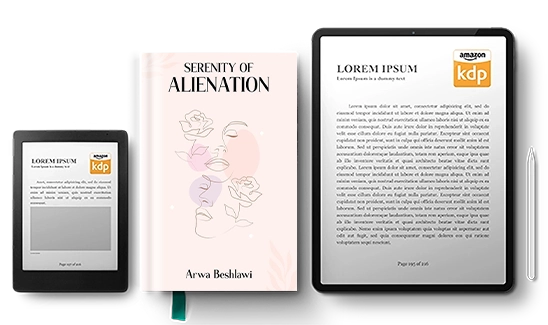
How to Make Your Book Shine on Amazon: A Simple Guide for New Authors
Publishing on Amazon is easy; getting noticed isn't. This simple guide shows new authors how to optimize keywords, categories, cover, blurb, and reviews so your book stands out.

What Makes a Book Cover Sell? Genre-by-Genre Design Rules
Readers judge your book by its cover in about a second, as a thumbnail. Here’s what makes a cover sell, genre by genre, and how to design one that earns the click.
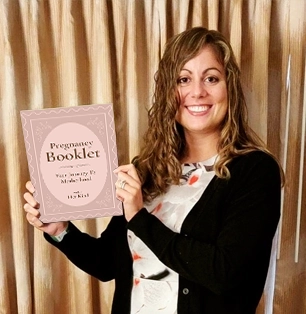
Before & After: How Cover Redesigns Improved Book Sales
Sometimes a good book just won’t sell, and the cover, not the writing, is the problem. Here’s how cover redesigns lift sales, with a before-and-after breakdown and an A/B testing guide.