 Call Us : (917) 410-4001
Self-Publishing vs. Traditional Publishing: Which Path Is Right for You?
Key Takeaways
- Traditional publishing trades control and royalties for prestige, an advance, and bookstore reach, if you can land a deal.
- Self-publishing gives you full control, higher royalties per sale, and speed, but you manage or fund production and marketing.
- Neither path is universally “better”; the right one depends on your goals, timeline, and how much control you want.
- Hybrid approaches let you keep ownership while getting professional, traditional-quality support.
- Quality is non-negotiable on either path, professional editing and design make or break a book.
It’s one of the first big decisions every author faces: should you chase a traditional publishing deal, or publish the book yourself? A decade ago, traditional publishing was seen as the only “real” route and self-publishing as a last resort. Today that’s changed completely, self-published authors regularly out-earn traditionally published ones, and many writers deliberately choose to publish independently.
So which path is right for you? There’s no single correct answer, only the answer that fits your goals. Let’s compare both honestly, so you can decide with confidence rather than assumption.
The Quick Comparison
Here’s how the two paths stack up across the factors that matter most:
| Factor | Traditional Publishing | Self-Publishing |
|---|---|---|
| Creative control | Publisher decides cover, title, edits | You keep full control |
| Royalties | Lower (around 5 to 15%) after advance | Higher per sale (around 35 to 70% on eBooks) |
| Upfront money | Possible advance | No advance; you invest in production |
| Speed to publish | Often 1 to 2+ years | Weeks to a few months |
| Upfront cost to you | Little to none | You fund editing, design, etc. |
| Bookstore reach | Strong physical distribution | Mainly online + print-on-demand |
| Rights ownership | Licensed to publisher | 100% yours |
| Getting in | Highly competitive (agents, gatekeepers) | Open to everyone |
| Marketing | Some support (often limited) | You lead it (or hire help) |
Traditional Publishing: Pros & Cons
Traditional publishing means a publisher takes on your book, covering production costs and handling distribution, often with an advance against future royalties.
The upsides:
- Prestige and validation from a recognized publisher.
- No upfront cost to you, plus a possible advance.
- Bookstore and library reach that’s still hard to match independently.
- A built-in team of editors, designers, and publicists.
The trade-offs:
- Extremely competitive, most authors face many rejections, and many never land a deal.
- Slow, it can take one to two years (or more) to reach shelves.
- Less control, the publisher often decides your cover, title, and edits.
- Lower royalties and rights licensed away for the term of the contract.
Self-Publishing: Pros & Cons
Self-publishing puts you in the driver’s seat: you own the book and make every decision, from cover to price to launch date.
The upsides:
- Full creative control over your story, cover, and brand.
- Higher royalties, you keep a much larger share of every sale.
- Speed, publish in weeks or months, on your timeline.
- You keep 100% of your rights, forever.
- Open to everyone, no gatekeepers deciding if your book deserves to exist.
The trade-offs:
- You invest upfront in editing, design, and formatting.
- You lead the marketing (though you can hire expert help).
- Physical bookstore reach is harder, though far from impossible.
- The responsibility is yours, which is exactly why quality matters so much.
Leaning toward self-publishing but want it done right?
We give independent authors the same professional quality as a traditional house, while you keep full ownership. Book a free, no-pressure consultation to map your path.
Explore Your Options FreeWhich Path Is Right for You?
Ask yourself a few honest questions:
- How much control do you want? If you want the final say on everything, self-publishing wins.
- How quickly do you want to publish? If waiting years isn’t for you, self-publishing is far faster.
- What are your financial goals? Self-publishing pays more per copy; traditional may offer an advance and wider physical reach.
- Do you value prestige and bookstores enough to trade away control and royalties? Then traditional may appeal.
- Are you building a long-term author business? Owning your rights and brand makes self-publishing a powerful long game.
There’s no wrong answer, only the one that matches your priorities. Many authors today even pursue both at different stages of their careers.
The Hybrid Middle Ground
You don’t have to choose between “do it all alone” and “hand it all over.” Many authors take a hybrid approach: they self-publish to keep ownership and higher royalties, but bring in professional help so their book meets traditional-quality standards. This gives you the best of both, control and a polished, professional book that competes with anything on the shelf.
One Rule for Both Paths: Quality Is Non-Negotiable
Whichever route you choose, readers judge your book the same way. A self-published book that skips professional editing, a strong cover, or proper formatting will struggle no matter how good the writing is. (See the most common indie author mistakes to avoid.) Quality is what earns trust, reviews, and sales on any path.
How Prime Publishing Hub Helps Self-Publishing Authors
If you choose to self-publish, fully or hybrid, you don’t have to do it alone. Prime Publishing Hub gives independent authors the same professional standard as a traditional house, while you keep complete ownership:
- Editing and proofreading to traditional-publishing quality.
- Cover design, layout, and formatting that compete on any shelf.
- Distribution via e-book, KDP, and print channels.
- Marketing and author branding so your book reaches readers. (Learn how we support your writing journey.)
Final Thoughts
Self-publishing versus traditional publishing isn’t a battle of better or worse, it’s a question of fit. Traditional publishing offers prestige and reach at the cost of control and royalties; self-publishing offers freedom, speed, and ownership at the cost of taking the reins. Know your goals, weigh the trade-offs, and choose the path that serves the author you want to become.
Still deciding? Request a free quote or talk to our team, we’ll help you find the right path for your book.
Frequently Asked Questions
What is the difference between self-publishing and traditional publishing?
Is self-publishing better than traditional publishing?
How much do authors earn from self-publishing vs traditional publishing?
What is hybrid publishing?
Can Prime Publishing Hub help me self-publish professionally?
Keep Reading
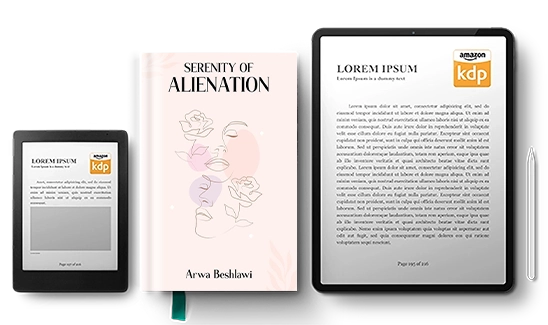
How to Make Your Book Shine on Amazon: A Simple Guide for New Authors
Publishing on Amazon is easy; getting noticed isn't. This simple guide shows new authors how to optimize keywords, categories, cover, blurb, and reviews so your book stands out.
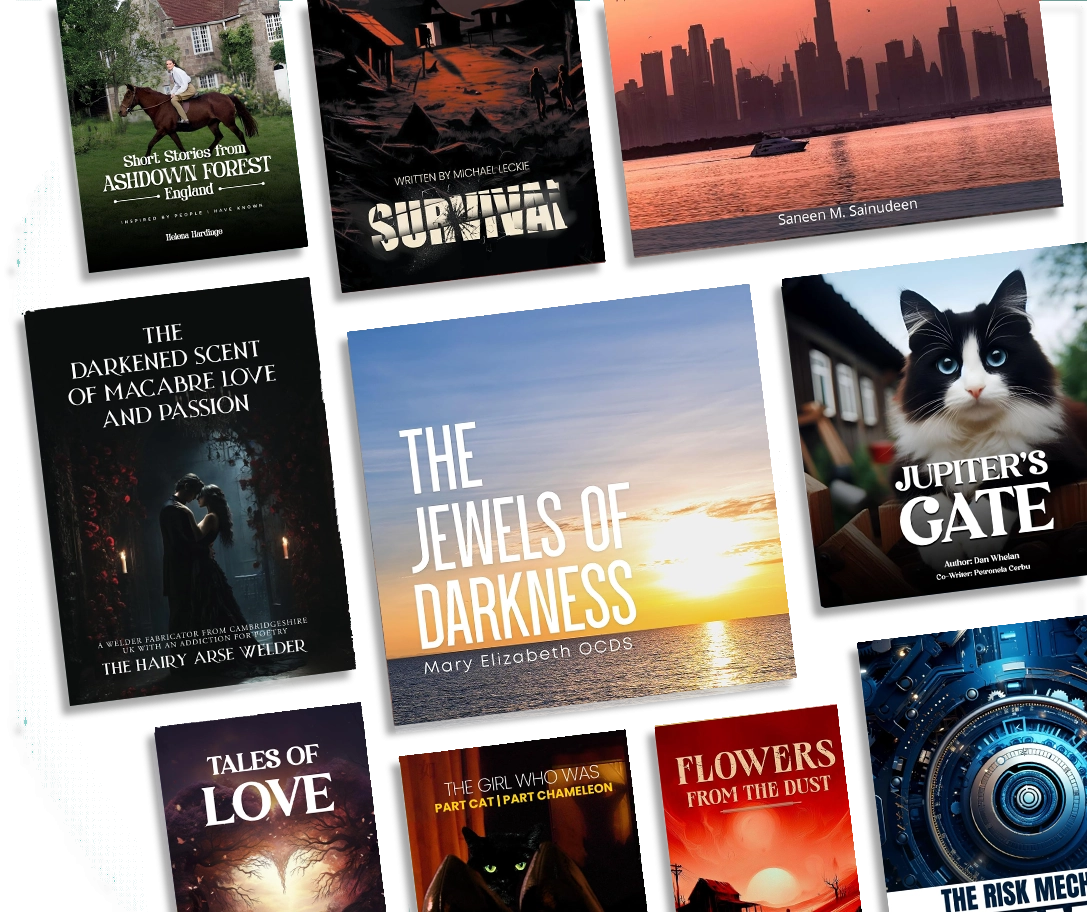
Top 5 Mistakes New Indie Authors Make (And How to Avoid Them)
Most self-publishing setbacks come down to the same handful of avoidable mistakes. Here are the top five new indie authors make, and a clear fix for each.
Building Your Author Brand: What It Means & Why It Matters
Your author brand is the promise readers remember between books, the voice, values, and consistency behind your name. Here's what it really means and how to build one that lasts.